What is Transport Factoring and How Does it Differ from Traditional Bank Loans?
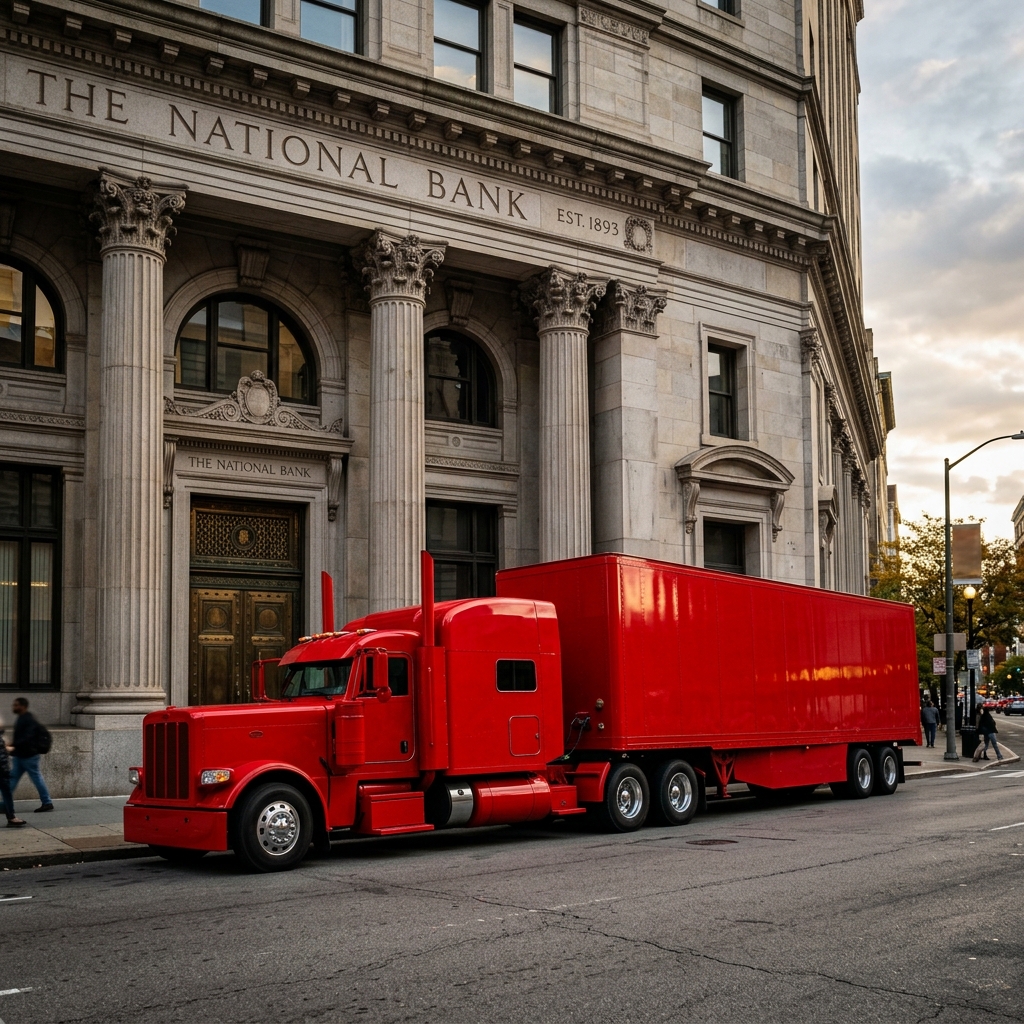
When a new carrier needs operating capital to grow a trucking business, the first instinct is often to go to a local bank. After all, banks are the traditional cornerstone of small business finance. However, the transportation industry moves at a blistering pace—much faster than traditional finance can accommodate. Fuel costs, maintenance, insurance, and driver pay cannot wait for a 30-day underwriting process. This is exactly why transport factoring has become the undisputed king of trucking finance.
In an industry where cash flow is the ultimate lifeblood, waiting 30, 60, or even 90 days for a freight broker or shipper to pay an invoice can cripple an otherwise profitable fleet. But what exactly is transport factoring, and why is it universally considered superior to a traditional bank loan for owner-operators and growing motor carriers? In this comprehensive guide, we will dive deep into the mechanics of factoring transportation invoices, compare it head-to-head with bank financing, and explain how it can unlock unlimited growth potential for your trucking business.
What is Transport Factoring?
At its core, transport factoring (also known as freight factoring or trucking factoring) is a financial transaction where a trucking company sells its outstanding freight bills (accounts receivable) to a specialized third-party financial company—known as a factoring company or "factor"—at a small discount.
Instead of waiting weeks or months for a broker or direct shipper to process a payment, the carrier receives the money almost instantly after delivering a load and submitting the proof of delivery (POD) and rate confirmation. The factoring company advances the majority of the invoice value (typically 90% to 100%, minus their small fee) directly into the carrier's bank account or onto a fuel card. The factoring company then assumes the responsibility of waiting for the broker to pay the invoice on their standard net-30 or net-60 terms.
You can read our complete, foundational guide on what is freight factoring for an in-depth breakdown of the fundamental mechanics. But in short, transport factoring bridges the gap between completing a job and actually getting paid, ensuring your trucks never have to sit idle because you lack the cash for fuel.
The Mechanics of Factoring Transportation Invoices
To truly appreciate the value of transport factoring, it helps to understand the step-by-step process. The beauty of the system lies in its simplicity and speed, tailored specifically for the fast-paced logistics industry.
Step 1: Deliver the Load
The process begins the moment your driver safely delivers a load to the receiver. The receiver signs the Bill of Lading (BOL), creating the Proof of Delivery (POD). This document proves the job was completed successfully and without claim.
Step 2: Submit the Paperwork
Instead of mailing or emailing the invoice directly to the freight broker and waiting for a check, the carrier submits the invoice, the signed POD, and the initial rate confirmation to their transport factoring partner. Modern factoring companies allow you to do this via a mobile app or online portal in seconds.
Step 3: Receive Immediate Funding
Once the factoring company verifies the paperwork (which often takes just a few hours), they wire the funds directly to your business checking account. With a premier transport factoring partner, you can often secure same-day funding, or even instant funding to a specialized debit card.
Step 4: The Factor Collects
Your involvement with that specific invoice is now complete. You have the cash you need to buy fuel for the next load, pay your drivers, or cover insurance premiums. The factoring company takes over the administrative burden of invoicing the broker and waiting 30 to 60 days for the final payment to arrive.
Transport Factoring vs. Traditional Bank Loans: A Deep Dive
Why not just go to the bank and get a line of credit or a term loan? While bank loans have their place in general business finance, they are fundamentally ill-suited for the day-to-day operational needs of a trucking company. Let’s break down the core differences.
1. Speed of Funding and Underwriting
Traditional bank loans can take weeks or even months to get approved. The underwriting process is grueling. Banks require mountains of paperwork, including years of business tax returns, personal tax returns, detailed business plans, profit and loss statements, and immaculate personal credit histories. If you need cash tomorrow to repair a blown turbo, a bank loan is useless.
Conversely, a good transportation factoring company can approve a new account and begin funding within 24 hours. Because the factor's risk is based on the invoice rather than your holistic business history, the setup process requires minimal documentation. Once set up, the ongoing funding is instantaneous.
2. Debt vs. Asset Sale
This is perhaps the most critical distinction. A traditional bank loan or line of credit puts a liability (debt) on your company's balance sheet. You are borrowing money that must be paid back with interest on a strict monthly schedule, regardless of whether your trucks are moving or generating revenue. If a truck breaks down and you have zero revenue for three weeks, the bank still expects its monthly payment.
Factoring transportation invoices is not a loan. You are not taking on debt. You are executing the sale of an asset (your accounts receivable). You are simply paying a small fee to unlock the money you have already earned, just a few weeks early. There are no monthly loan payments, no compounding interest, and no debt burden hanging over your fleet. If you don't haul freight for a month, you owe the factoring company nothing.
3. Credit Requirements
Banks base their lending decisions heavily on your personal and business credit scores. For a new owner-operator who just spent their life savings on a down payment for a truck, their credit might be stretched thin, making bank approval nearly impossible.
Factoring companies, however, look at the broker's credit score. Because the factoring company is relying on the broker (the debtor) to pay the invoice, your personal credit is largely irrelevant to the day-to-day funding decisions. A brand new trucking company with a less-than-perfect owner credit score can easily qualify for top-tier transport factoring rates, provided they are hauling freight for reputable, credit-worthy brokers and shippers.
4. Scalability and Credit Limits
When you get a bank line of credit, it has a hard cap (e.g., $50,000). If your trucking company grows rapidly, you will quickly hit that limit and be starved for cash again. To get a higher limit, you must go through the agonizing underwriting process all over again.
Transport factoring grows seamlessly with your business. The more freight you haul, the more invoices you generate, and the more cash you can access. There is essentially no artificial ceiling. If you add five trucks to your fleet next month, your factoring volume—and your access to working capital—scales up automatically without needing new approvals or begging a loan officer for an extension.
Why New Owner-Operators Struggle with Banks
The trucking industry has a notoriously high failure rate for first-year owner-operators, and traditional banks are well aware of this statistic. Because trucking is viewed as a high-risk industry, traditional lenders impose incredibly strict covenants. They want to see at least two to three years of profitable operational history before they even consider extending a working capital line of credit.
This creates a paradox: you need cash to survive your first two years, but banks won't lend to you until you've already survived your first two years. Transport factoring completely bypasses this paradox. It provides day-one liquidity, allowing a single-truck start-up to compete with massive enterprise fleets by ensuring they always have the cash required to book the next load.
Equipment Financing vs. Factoring
It is important to distinguish between operating capital and capital expenditures. While transport factoring is the king of operating capital (day-to-day expenses like fuel, payroll, and maintenance), it is not designed to purchase a $150,000 semi-truck outright.
If you are looking to purchase a new truck or trailer, that is where specialized equipment financing comes into play. A smart fleet owner will use equipment financing (which is a loan secured by the physical truck) to acquire the asset, and then immediately use transport factoring to generate the cash flow needed to operate that asset profitably and make the monthly financing payments. These two financial tools work hand-in-hand to build a successful trucking empire.
Non-Recourse vs. Recourse Transport Factoring
As you explore factoring options, you will encounter two primary structures: recourse and non-recourse. Understanding the difference is vital to protecting your trucking business.
Recourse Factoring
In a recourse factoring agreement, the carrier ultimately remains responsible if the broker fails to pay the invoice. If the broker goes bankrupt or simply refuses to pay after a certain period (e.g., 90 days), the factoring company will "charge back" the invoice to the carrier. The carrier must then return the advanced funds to the factor. Because the factoring company takes on less risk, recourse factoring typically offers slightly lower fees.
Non-Recourse Factoring
In a non-recourse factoring agreement, the factoring company absorbs the risk of broker non-payment due to insolvency or bankruptcy. If you deliver the load perfectly, but the broker files for Chapter 11 bankruptcy a week later, the factoring company takes the loss, not you. You keep the advance. While slightly more expensive, non-recourse factoring acts as a form of credit insurance, protecting carriers from devastating broker defaults—a very real threat in volatile freight markets.
The Hidden Costs of Bank Loans
A bank loan might advertise an attractive 8% Annual Percentage Rate (APR). However, the true cost of that loan is often much higher when you factor in the operational constraints it imposes.
- Opportunity Cost: If a bank takes 45 days to approve a loan, how many profitable loads did you have to turn down because you couldn't afford the fuel to run them? The lost revenue far exceeds a 3% factoring fee.
- Maintenance Delays: A lack of immediate cash flow can force you to delay preventative maintenance. A delayed $500 maintenance fix can easily turn into a $15,000 engine rebuild, wiping out any "savings" you got from a bank loan's interest rate.
- Stress and Administration: Managing bank debt, ensuring you meet strict loan covenants, and providing quarterly financials to a loan officer consumes massive amounts of time. Time that an owner-operator should be spending behind the wheel or dispatching trucks.
How Transport Factoring Facilitates Fleet Growth
Growth in trucking is capital intensive. Every time you hire a new driver or lease a new truck, your weekly expenses skyrocket instantly. However, the revenue generated by that new truck won't actually hit your bank account for 30 to 60 days. This cash flow gap is the number one reason growing fleets go bankrupt.
Transport factoring eliminates this gap. By turning invoices into immediate cash, you can confidently dispatch new trucks knowing you will have the fuel money for their next load before they even drop their current one. It allows you to say "yes" to lucrative, high-volume contracts from major shippers who notoriously dictate 60-day or 90-day payment terms. You essentially gain the financial muscle of a mega-carrier, while maintaining the agility of a small fleet.
Step-by-Step: How to Start Factoring Transport Bills
Getting started is incredibly simple and designed for speed.
- Application: Fill out a quick online application. You will typically only need to provide basic company details, your MC/DOT number, and perhaps a driver's license.
- Approval: The factoring company will run a quick background check and assess your business. This often takes less than 24 hours.
- Notice of Assignment (NOA): The factor will help you send an NOA to the brokers you work with. This legal document simply instructs the broker to send their payments to the factoring company instead of your old PO Box.
- Submit Loads and Get Paid: Once approved, you simply start uploading your BOLs and rate confirmations. You get paid the same day, every day.
Frequently Asked Questions About Transport Factoring
Is factoring only for failing trucking companies?
Absolutely not. This is a massive misconception. Factoring is utilized by some of the most profitable and fastest-growing logistics companies in the world. It is a strategic tool for managing cash flow and accelerating growth, not a last resort for struggling businesses. If your business is growing rapidly, you need factoring to keep up with the cash demands of expansion.
Will my brokers get mad if I factor their invoices?
No. In fact, brokers prefer it. Freight brokers are dealing with thousands of carriers. Sending one large batch payment to a massive factoring company is much easier for their accounting departments than mailing thousands of individual checks to owner-operators across the country. Factoring is the standard operating procedure in the freight industry.
Are there hidden fees in factoring?
Reputable factoring companies offer transparent, flat-rate pricing. However, you should always read your contract carefully. Some older, less reputable firms might try to sneak in ACH transfer fees, monthly minimum volume fees, or invoice processing fees. Always choose a modern factoring partner that promises no hidden fees and clear, straightforward agreements.
Conclusion: Modernizing Your Fleet's Finances
The transportation industry is evolving rapidly. Digital freight matching, ELDs, and real-time tracking have modernized operations, and your financial strategy must evolve as well. Clinging to the slow, restrictive nature of traditional bank loans is a recipe for stagnation in a market that demands agility.
By leveraging transport factoring, you are taking control of your cash flow. You are ensuring that you never miss a load because of empty fuel tanks, you never struggle to make payroll, and you are always positioned to capitalize on sudden spikes in freight rates.
If you want to scale your fleet aggressively without taking on crippling, restrictive debt, it is time to bypass the local bank branch. Explore a modern, transparent transport factoring solution today, and give your trucking company the financial fuel it needs to dominate the road.