Load Factoring for Owner-Operators: A Step-by-Step Guide
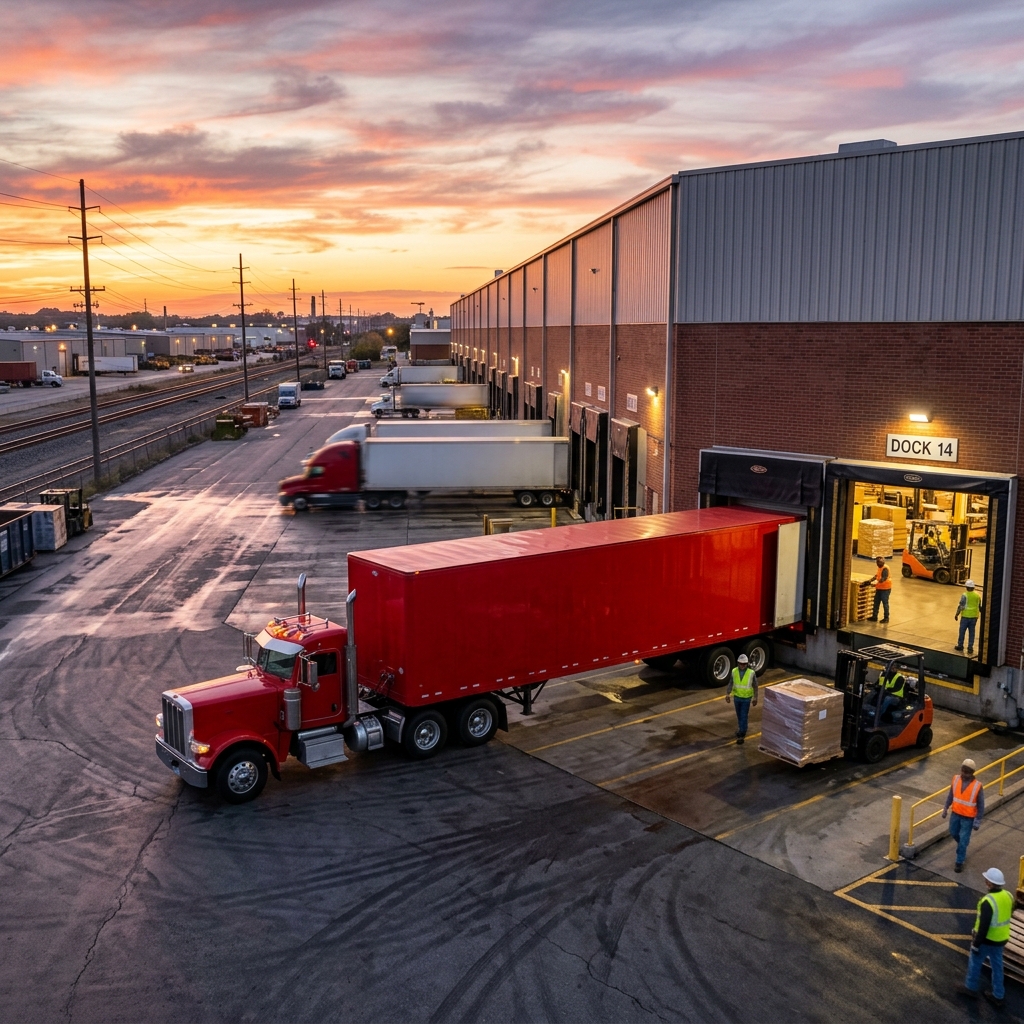
When you finally make the leap, secure your own operating authority, and put your first truck on the road, you quickly realize a fundamental truth of the logistics industry: hauling the freight is only half the battle. Getting paid for it in a timely manner is the other half. If you are an independent trucker or managing a growing fleet, load factoring is often the secret to surviving and thriving during your critical first year and beyond. Here is exactly how truck factoring for owner operators works, why it is so essential, and how you can implement it step-by-step to protect your cash flow.
The Cash Flow Crisis in Trucking
The transportation industry operates on a delayed payment model. When you deliver a load for a broker or shipper, they rarely pay you upon delivery. Instead, the industry standard is to pay invoices on Net-30, Net-60, or even Net-90 terms. This means you might wait anywhere from one to three months to receive the funds for a job you have already completed.
Meanwhile, your expenses do not wait. Diesel fuel, insurance premiums, truck maintenance, tolls, and personal living expenses require immediate, ongoing capital. Without a massive reserve of cash in the bank, waiting 30 days for a $2,000 freight bill can completely paralyze a new owner-operator. A single blown tire or unexpected engine repair can sideline your truck if your money is tied up in unpaid invoices.
This is exactly the problem that load factoring solves. By converting your unpaid invoices into immediate cash, you bypass the waiting period, keeping your wheels turning and your business growing.
What is Load Factoring?
Load factoring, also known as freight factoring, is a financial transaction where a trucking company sells its accounts receivable (its unpaid invoices) to a third-party financial company—known as a factor—at a small discount. In exchange, the factoring company provides immediate cash, usually within 24 hours or even on the same day.
It is vital to understand that factoring is not a loan. You are not taking on debt. You are simply accessing the money you have already earned, minus a small service fee. Because it is not a loan, factoring companies are often more interested in the creditworthiness of the brokers and shippers you haul for, rather than your personal credit score.
The Step-by-Step Guide to Truck Factoring for Owner-Operators
Getting started with factoring might seem intimidating, but modern platforms have streamlined the process significantly. Here is how you can go from hauling your first load to getting paid instantly.
Step 1: Choose the Right Factoring Partner and Get Approved
Before you book a load, you need to establish a relationship with a factoring company. Unlike getting a traditional bank loan, which can take weeks and requires mountains of paperwork, applying for freight factoring for truckers is incredibly fast. Most reputable factoring companies can approve your application and set up your account within 24 to 48 hours.
When evaluating factoring partners, you will want to look at their technology, their fee structure, and their terms. Be on the lookout for hidden fees, restrictive long-term contracts, and slow funding times. Partnering with a company that offers transparent, modern freight factoring solutions will save you countless headaches down the road.
Step 2: Check Broker Credit Before You Book
Once your factoring account is active, you do not just start blindly booking loads. A crucial step in the process is performing credit checks on brokers and shippers before you agree to haul their freight.
Because the factoring company is advancing you money based on the broker's promise to pay, the factoring company must approve the broker's credit. Most factoring companies provide an online portal or mobile app where you can instantly search a broker's MC number to see if they are approved. If a broker is not approved (often due to a history of non-payment or bankruptcy), your factoring company will not buy the invoice. Always check the credit first to ensure you get paid.
Step 3: Book the Load and Deliver the Freight
Once you verify the broker is approved, you operate as normal. You negotiate the rate, sign the rate confirmation, and dispatch your truck to pick up the freight.
The most critical part of this step occurs at the delivery location. When you drop the cargo, you must ensure you get a clean Bill of Lading (BOL) signed by the receiver. A "clean" BOL means there are no notations of damage, shortages, or late deliveries. The signed BOL is the legal proof that the job was completed as agreed upon. Without it, the broker will not pay, and your factoring company will not fund the invoice.
Step 4: Submit Your Paperwork
In the old days of trucking, drivers had to mail physical copies of their invoices, rate confirmations, and BOLs to their factoring companies. Today, the process is entirely digital.
Instead of mailing an invoice to the broker and waiting 30 days, you simply take clear photos or scan your paperwork using your smartphone. You then upload the invoice, the signed rate confirmation, and the signed BOL directly to your factoring company via their mobile app or web portal. Make sure your documents are legible; blurry photos are the number one cause of funding delays.
Step 5: Get Paid Instantly
This is where the magic happens. A top-tier factoring partner will offer same day factoring rates. Once you submit your paperwork, the factoring company's team will quickly verify the load with the broker to ensure the freight was delivered and there are no disputes.
Upon verification, the factoring company deposits the funds directly into your business checking account or fuel card, often within hours. They hold back a small percentage (the factoring fee) as their profit. For more details on this specific transaction process, check out our comprehensive guide on how freight factoring works for owner operators.
Recourse vs. Non-Recourse Factoring: What You Need to Know
When you sign up for load factoring, you will encounter two main types of agreements: recourse and non-recourse. Understanding the difference is critical for protecting your business.
Recourse Factoring
In a recourse factoring agreement, you (the owner-operator) ultimately remain responsible for the invoice if the broker fails to pay. If the factoring company advances you the money, but the broker goes bankrupt or simply refuses to pay the invoice after a set period (usually 60 to 90 days), the factoring company will charge the money back to you. Recourse factoring typically comes with lower fees because the factoring company is taking on less risk, but it requires you to be highly diligent about who you haul for.
Non-Recourse Factoring
Non-recourse factoring offers more protection. In this arrangement, the factoring company assumes the credit risk. If the broker goes bankrupt or becomes insolvent and cannot pay the invoice, the factoring company takes the loss, not you. However, it is important to read the fine print. Non-recourse factoring usually only covers broker bankruptcy or insolvency; it does not cover instances where the broker refuses to pay due to a dispute over damaged freight or a late delivery. Because of the added protection, non-recourse factoring typically carries a slightly higher fee.
Watch Out for Hidden Fees
While the factoring flat rate (usually between 1% and 4%) is the most visible cost, many traditional factoring companies pad their profits with hidden fees. When reviewing a factoring contract, keep an eye out for:
- ACH and Wire Fees: Charging you money just to transfer your funds to your bank account.
- Invoice Processing Fees: An extra fee added on top of the factoring rate for every invoice submitted.
- Minimum Volume Requirements: Penalties applied if you do not factor a certain dollar amount of freight each month.
- Aging Fees: Escalating fees that increase the longer it takes the broker to pay the invoice.
- Reserve Accounts: Some factors hold back a significant percentage of your funds (e.g., 10%) in a "reserve" account until the broker pays, meaning you do not actually get 100% of your money upfront.
Working with a transparent partner that offers straight-forward, flat-rate pricing ensures that you know exactly what your costs are on every single load.
Integrating Factoring with Your Overall Strategy
Load factoring is primarily a cash flow tool, but it fits into a larger picture of financial health for owner-operators. By stabilizing your incoming cash, you can better plan for the future. Consistent cash flow allows you to negotiate cash discounts on fuel, stay current on maintenance to prevent breakdowns, and build the financial history necessary if you ever want to expand your fleet.
In fact, a strong track record of steady, factored revenue can make it easier to secure capital for larger investments. When the time comes to buy a new truck or upgrade your trailer, having your finances organized and your cash flow predictable makes you an excellent candidate for equipment financing.
Frequently Asked Questions (FAQs)
1. Do I have to factor every single load?
It depends on your contract. Some traditional factoring companies require you to factor all of your loads (or all loads from a specific broker) in what is known as "whole turnover" factoring. Modern, flexible factoring companies allow for "spot factoring," where you can pick and choose which invoices you want to factor. Always read your contract carefully to understand your obligations.
2. Will factoring damage my relationships with brokers?
Not at all. In today's logistics industry, factoring is completely standard. Brokers are used to working with factoring companies and often prefer it, as factoring companies are usually highly professional and organized when it comes to submitting billing paperwork. It will not negatively impact your reputation.
3. What happens if there is a claim for damaged freight?
If a receiver notes damage on the BOL, or if there is a dispute over a late delivery, the factoring company will likely hold off on funding the invoice until the dispute is resolved. Factoring companies only want to buy clean, undisputed invoices. If an invoice has already been funded and a dispute arises later, the factor will typically charge that invoice back to you until the issue is settled.
4. Can I switch factoring companies if I am unhappy?
Yes, but it requires coordination. If you are under a long-term contract, you may have to pay an early termination fee. If you are free to leave, your new factoring company will execute a "buyout" of your old factoring company. They will purchase any outstanding invoices your old factor is holding, allowing you to transition your business to the new provider. It is a common process, but it requires a few days of paperwork.
5. How fast can I actually get paid?
With modern platforms, if you submit your clean BOL and invoice in the morning, it is highly common to have the funds in your account by the afternoon. This is referred to as same-day funding. Submissions made late in the afternoon or evening will typically be funded the next business morning.
Conclusion
Taking control of your cash flow is the most important step you can take as a new owner-operator. The transition from company driver to independent business owner is challenging enough without having to act as a collections agency for your brokers.
By utilizing a modern instant freight factoring program, you can guarantee consistent cash flow, eliminate the anxiety of the 30-day wait, and focus your energy on what you do best: driving safely and building your trucking empire. Take the time to vet your factoring partner, understand the terms, and leverage their tools to check broker credit, and you will set your trucking business up for long-term success.